Bundilla Pest Control has been inspecting and protecting Sunshine Coast homes since 1985. In that time we have seen termite protection change, and we have seen what happens to homes that have it and homes that don’t. This is what we have learned, and what we would tell any homeowner.
Why we no longer say “termite barrier”
Many people still search for a “termite barrier”. It is the older name for what the industry now calls a termite management system, and the change in language matters.
The word “barrier” suggests a wall that termites cannot cross. Termites don’t work that way. They are persistent, and they find gaps: through a crack in a slab, a garden bed built up against a wall, a service pipe, or building work done years after the original installation.
A system is different. It is installed by a licensed technician, then inspected and maintained over the life of the home. The protection is the combination of the installation, the inspections, and the technician who knows your property. That is why we say termite management system, and why we explain it that way to every customer.
What we see in homes with no protection
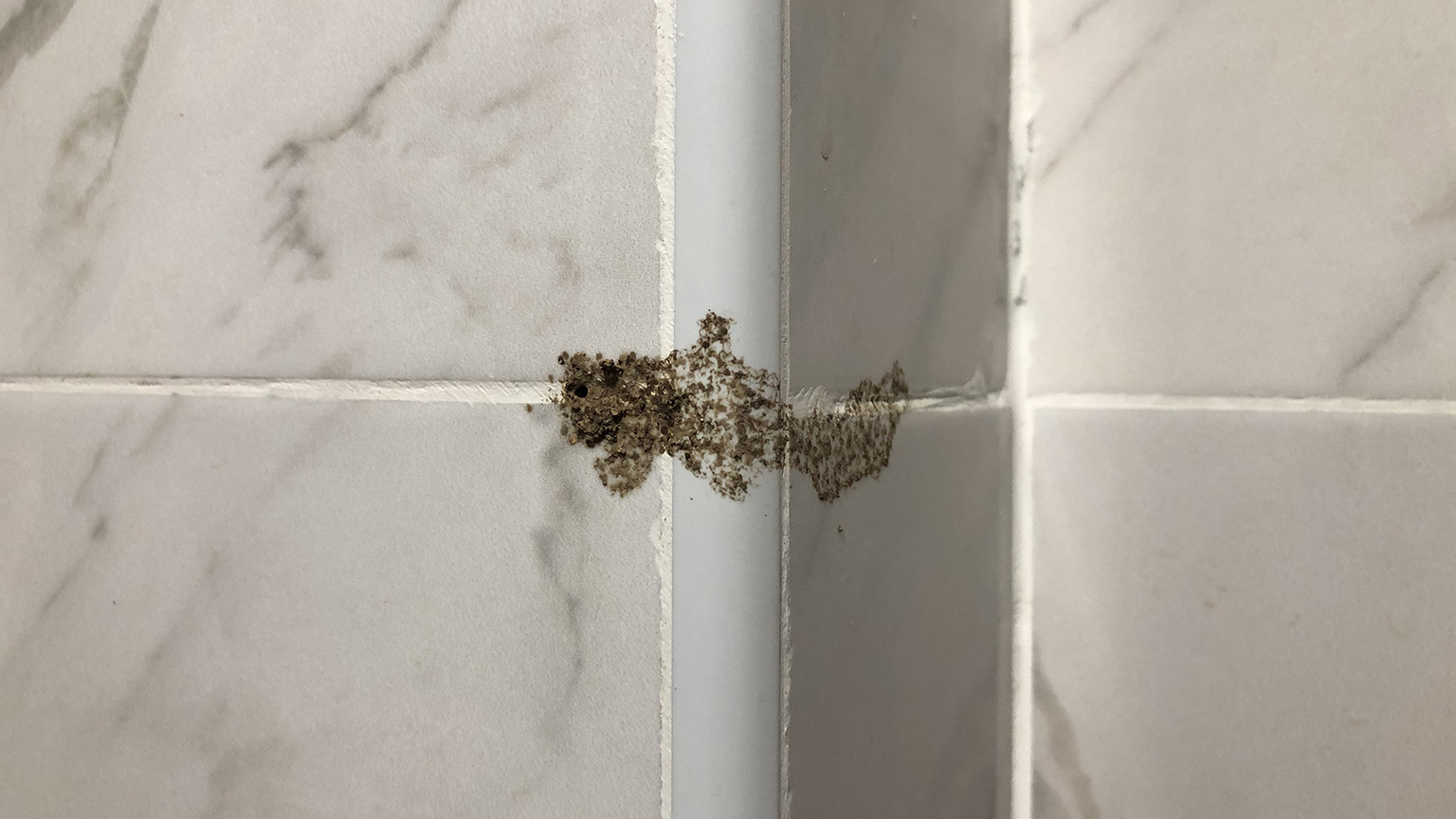
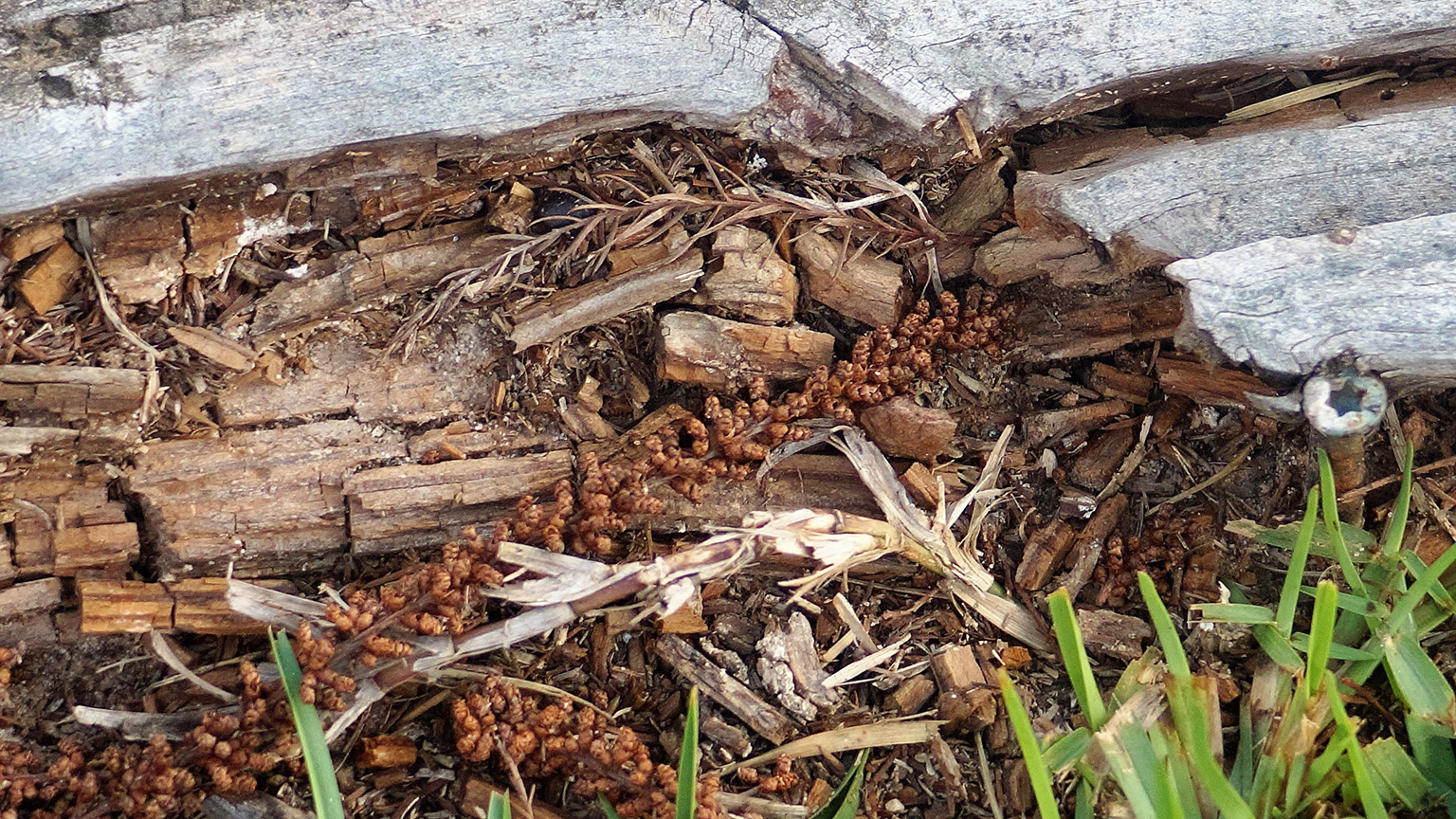
Termites work out of sight, inside wall cavities, subfloors and roof timbers. In an unprotected home, activity usually goes unnoticed until the damage is advanced: a door that sticks, a skirting board that sounds hollow, paint that bubbles, or timber that gives way under a screwdriver.
There is also a financial side. Termite damage is not usually covered by standard home insurance, so repairs can fall on the homeowner. That is a big reason we encourage even homeowners who are cautious about cost to have, at minimum, regular inspections.
Chemical and baiting: two tools, one system
At Bundilla Pest Control, we know that no two properties are the same, which is why we don’t believe in a one-size-fits-all approach to termite protection.
Chemical termite management systems are often our preferred recommendation when we can establish a continuous treated zone around the home. They provide a protective barrier designed to prevent concealed termite entry, making them a suitable option for many residential properties.
Termite baiting systems, on the other hand, can be particularly useful for properties where a chemical treatment may be difficult to install effectively. This might include homes with extensive paving, complex landscaping, nearby pools or areas where access to the soil is restricted. Baiting systems work by targeting termite colonies through strategically placed monitoring and baiting stations.
In some situations, we may recommend a combination of both methods to address different areas of the property.
Ultimately, our recommendation comes down to the construction of the home, accessibility, environmental considerations, and the level of termite risk. Our goal isn’t simply to install a system, but to recommend a long-term termite management solution that is practical and appropriate for each property.
The inspection is what makes the system work
Whichever system a home has, it only works if it is checked. Australian Standard AS 3660 recommends inspections at least once a year, and in our experience that is the habit that separates homes that catch activity early from homes that find it late.
A termite inspection from Bundilla looks at the roof void, subfloor, walls, timber, garden beds and anywhere moisture builds up. We look for existing activity, for conditions that attract termites, and for weak points in the home’s protection. Afterwards, we explain what we found in plain language and what, if anything, we recommend.
What we recommend
- Have your home inspected by a licensed technician, whether or not you have ever seen termites.
- Choose a termite management system that suits your property, not the one that is easiest to install.
- Keep it maintained. Book regular inspections and keep up any scheduled refills or station checks.
- Reduce the risks you control. Fix leaks, keep soil and mulch below the slab line, and avoid stacking timber against the house.
Learn more about termite prevention systems, read how to prevent a termite infestation, or book a termite inspection. You can also call our family-owned local team on (07) 5475 4660.