
Trusted, Local Pest Control Since 1985
Targeted Rodent Control That’s Safe For Families & Wildlife: Sunshine Coast To Brisbane
- 5.0-star rating from over 1,600 Google reviews
- 12-month pest free guarantee
- Every job is done by our own family-run team, never subcontractors
- Independently and locally owned by the same family for over 40 years
You don’t want rodents in your home. We make sure you don’t get them.
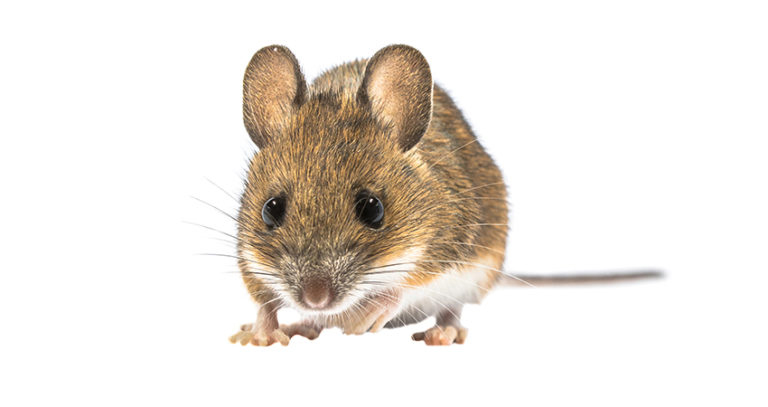
For 40+ years, we’ve been helping local families deal with rats and mice the right way, with pet-safe options, professional products, and no lock-in contracts.
Heard footsteps, spotted droppings, or just have a bad feeling? However you found it, it’s our job now. DIY traps and bait from places like Bunnings can help, but only if they’re placed and used correctly. We handle it end-to-end:
- We find out how and where rodents are getting in.
- We place professional-grade treatments where they actually work.
- We investigate common entry points.
- We set a plan to keep them from coming back.
Want peace of mind? Book a professional on-site rodent assessment, and we’ll take it from there.
Stop Depending On Over-The-Counter Baits!
Let the professionals get rid of your rodent problem for good.
How We Get Rid of Rats and Mice
1. Inspect & identify: We start with a thorough inspection inside and out—checking roof voids, subfloors, and cupboards for droppings, gnaw marks, and runways—to pinpoint where rats and mice are nesting, feeding, and travelling.
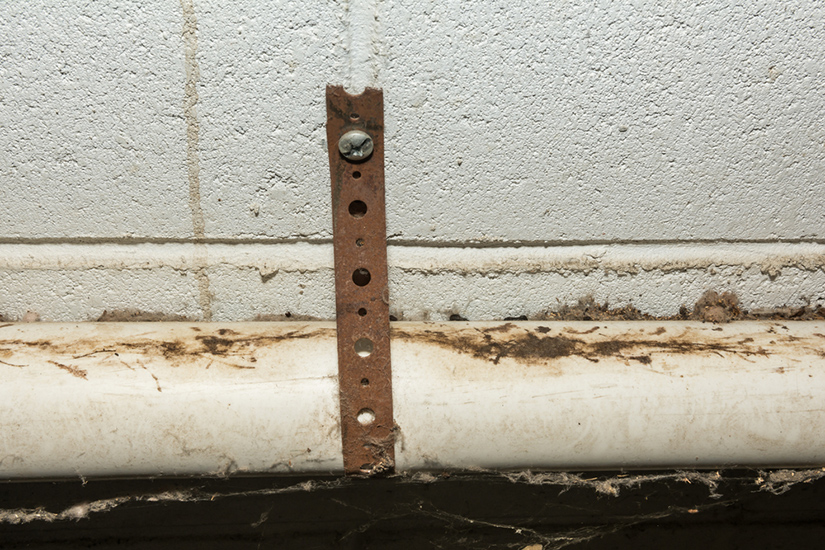
2. Recommendations & risk reduction: Based on what we find, we provide practical recommendations to help reduce rodent activity—such as identifying entry points, food sources, and environmental factors that may be attracting them.
3. Tailored treatment plan:Next, we design a customised treatment plan for your property. Where needed, we install secure bait stations in key high-activity areas, using professional-grade products selected with your home, family, and pets in mind.
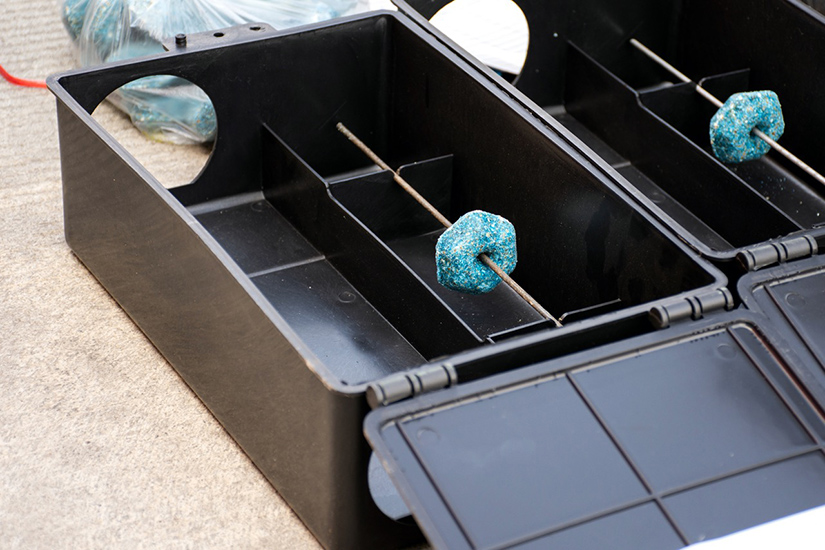
Rat station box with rodent poison bait on the floor.
4. Ongoing management: If further activity is present, we can schedule a return visit to monitor and replenish stations. This ensures continued control and allows us to adjust the treatment as needed (additional costs apply).
Mikey did a great job at our two houses. Arrived on time, easy communication and asked questions for everything for the job to be completed. Definitely will recommend!
Ready To Evict Rodents From Your Home?
Book your rodent treatment today, and we’ll take care of the rest.
What You’ll Get With Your Rodent Service
You’ll get a complete rodent treatment, including up to 4 lockable rodent stations installed in key problem areas.
| What’s included | What that means for you |
|---|---|
| Professional on-site assessment | A qualified tech inspects roof voids, subfloors and other hideouts to find where rats and mice are nesting, feeding and running. |
| Entry-point & hygiene check | We show you how and where rodents are sneaking in, plus simple proofing and clean-up tips to shut the door on future freeloaders. |
| Up to 4 lockable rodent stations installed | Tamper-resistant stations are loaded with professional-grade bait and placed along rodent runways, with options that are safer for homes with pets. |
| Follow-up & prevention advice | Clear guidance on how the treatment works, when re-baiting or checks might be needed, and easy habits to keep rodents from staging a comeback. |
Why Choose Us

Independently and locally owned by the same family for over 40 years!

We treat every nook and cranny with the most up-to-date products and techniques!

All of our pest technicians are fully licensed and certified.

Free on-site consultations and quotes when required.

5.0-star rating from over 1,600 Google reviews.

Every job is done by our own family-run team, never subcontractors.


We’ll never lock you into unnecessary pest control contracts.

We offer value packages to tackle more than one pest at a time.

We only use 100% safe, non-allergenic, and environmentally approved products.

We are a Termidor Accredited Applicator.

Awarded one of the three best-rated pest control companies!

On-time renewal bonus for customers who maintain regular annual pest services.

We guarantee our termite barriers stop termite damage.

Our technicians are certified with high-risk and sensitive environment endorsements.
Scratchy Noises In The Roof? Let’s Sort That Out.
Book a professional rodent assessment today!
Get In Touch
Please use the form below to contact our team — we will then give you a call to discuss!
Thanks for contacting us! We will get in touch with you shortly.
Contact Us
Hours
Monday – Friday: 8am – 5pm

 Mooloolaba

 Maleny

 Nambour

 Noosa

 Buderim

 Caloundra

 Maroochydore

 Burpengary

 Bribie Island

 Redcliffe

 Albany Creek

 Strathpine

 Arana Hills

 Caboolture & Morayfield

 Chermside

 North Lakes

 Sandgate
Lock Rodents Out Before They Move In For Good
Book a professional inspection to tackle the problem at the source.
Skip the DIY Baits: Here’s Why Pros Are Better for Wildlife
We treat rodents without putting your pets or local wildlife at risk. Our focus is smart product choice, careful placement, and using the minimum amount of bait needed to get results.
Why bait choice matters
Some rodent baits (especially certain anticoagulants) can cause secondary poisoning if a pet or predator eats a poisoned rodent. Stronger actives like brodifacoum can linger in the body for a long time, which is why health authorities in Queensland have issued recent advisories about its use.
How we keep pets & wildlife safe
- We only use APVMA-approved products and always follow label directions.
- Our baits are placed inside tamper-resistant stations and positioned where rodents travel, not where kids, pets, or wildlife can easily reach them.
- In homes with pets or lots of native wildlife, we avoid higher-risk anticoagulants and may use alternative baits which are lower toxicity.
- Your technician will walk you through where every station is, what we’ve used, and how we’ll follow up.
What you can do at home
- Check the APVMA approval number on any DIY products you buy.
- Keep all baits stored securely and never decant them into unlabelled containers.
- Dispose of any rodent carcasses promptly.
- If you think a pet has eaten bait or a poisoned rodent, contact your vet immediately.
Together, that means effective rodent control with extra care for the animals you love and the wildlife that belongs here.
Common Rodent Species We Treat
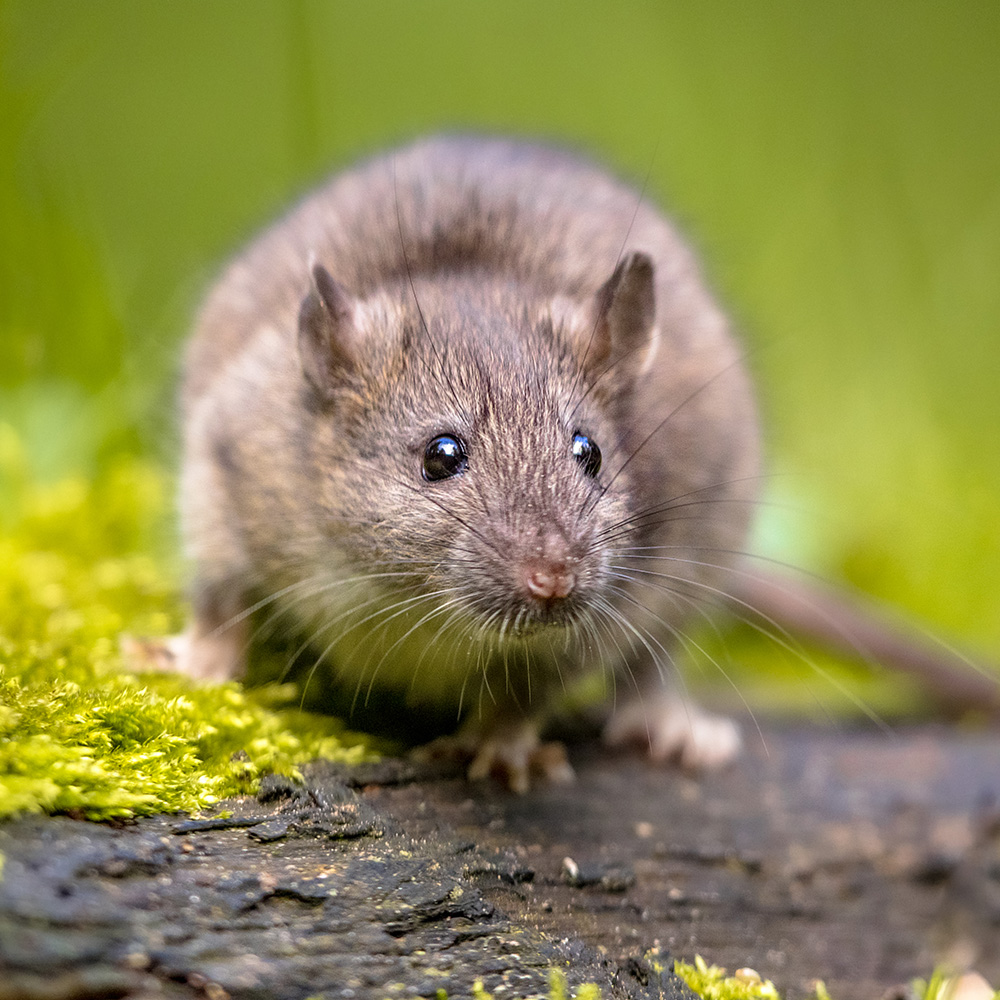
Norway Rat
A very large rat also known as the brown rat that can live up to a year, spawning a litter of up to 60 young within its lifetime. This rat is very prevalent in Australia, and its destructive capabilities are of true concern. They will often nest within the walls and roofing spaces of buildings and homes.
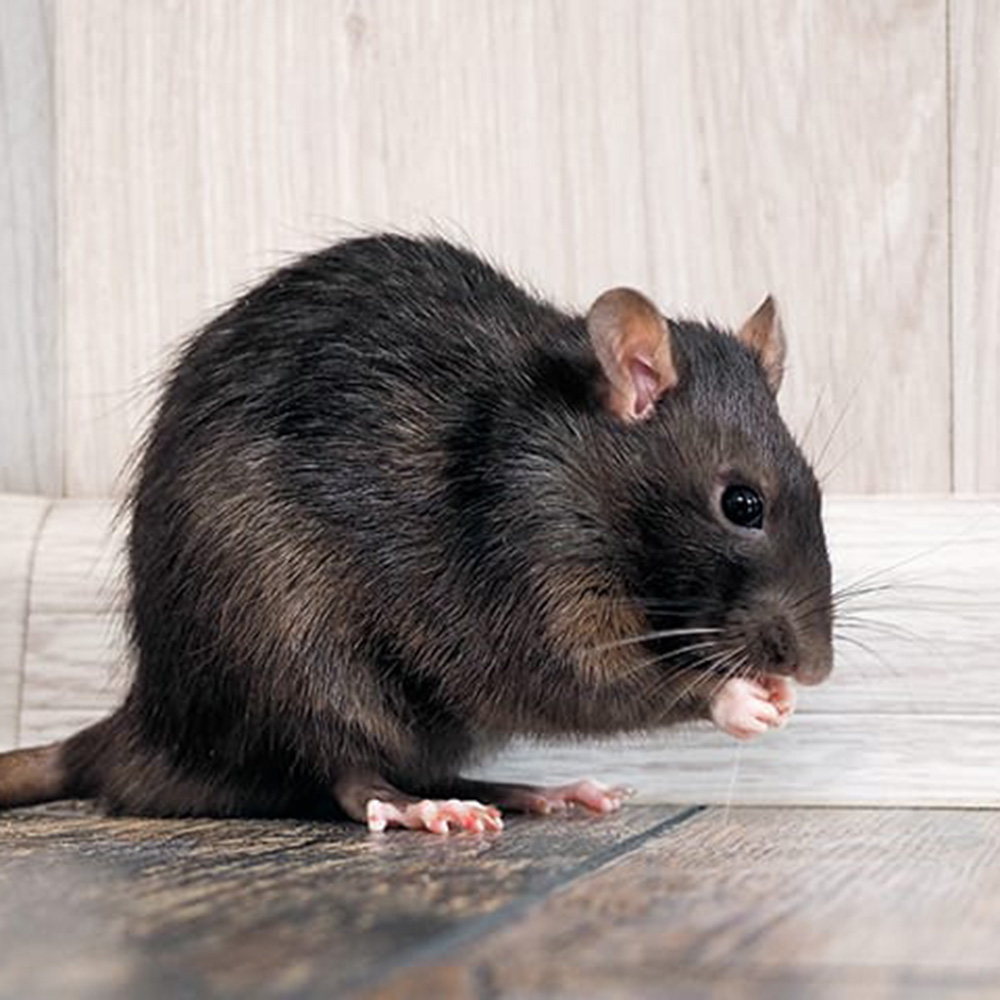
Roof Rat
Also known as the black rat or ship rat. This rat is a lot smaller than the Norway rat, but lives just as long and can spawn just as many young. This rat is only found indoors and is more restricted to urban and city areas.
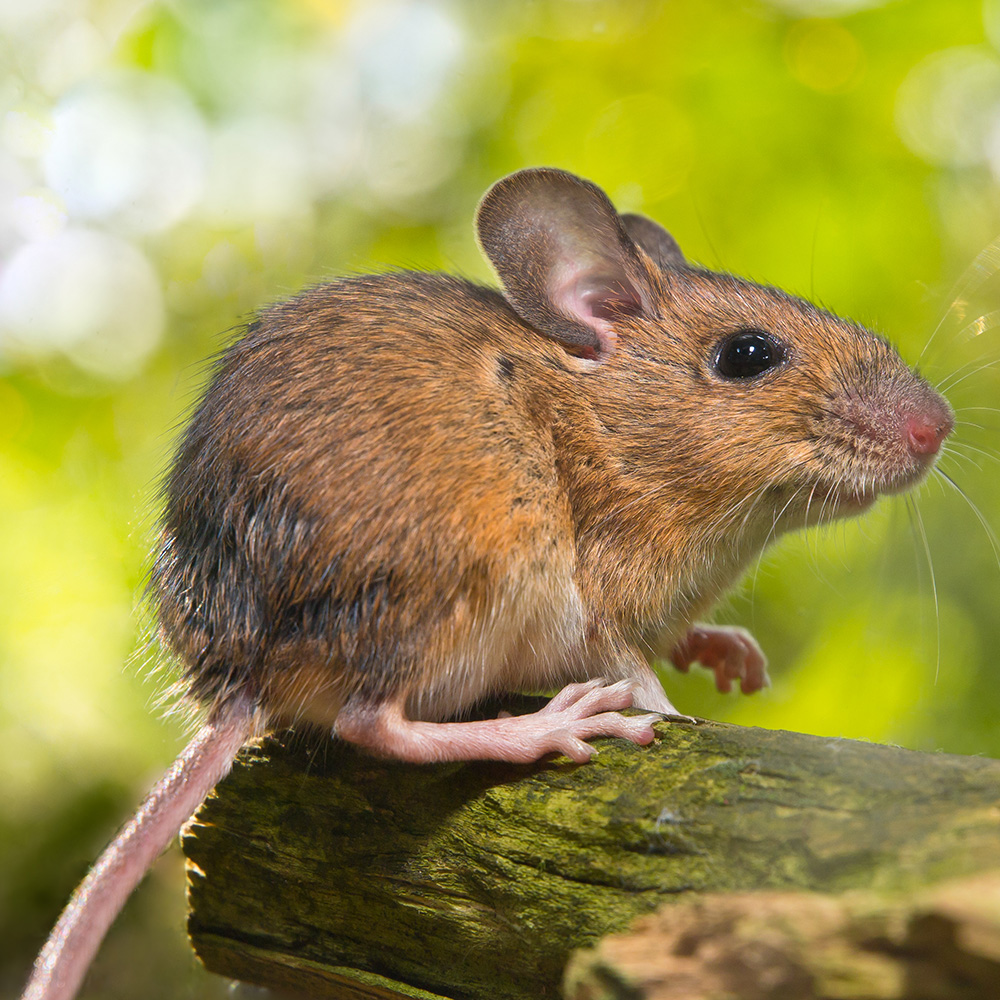
House Mouse
Also known as the field mouse. This mouse is very small and often lives outdoors. They can, however, enter indoor spaces to seek shelter during bad weather patterns. If natural predators are scarce, food sources abundant, and the climate supportive, these mice can populate to uncontrollable levels.
One Visit, Up To 4 Stations, Zero Rodent Drama
Book a professional rodent assessment today!
Why DIY Rodent Control Falls Short
Hardware-store baits can help, but most DIY attempts fail because of misplaced bait, too few stations, or not following the label. Some more common issues with DIY rodent control include:
- Bait is placed where it’s easy for you, not where rodents actually travel
- Too little bait or not enough stations for the infestation
- No lockable stations, so kids, pets, or wildlife can reach it
- “Set and forget,” meaning no checks, no top-ups, no safe disposal
When should I call a professional?
Bring in a tech for your rodent problem if you have:
- Pets or kids in the home
- A nearby wildlife corridor
- Recurring rodent activity
- Rodents in the roof void or hard-to-reach areas
- A strong, bad odour suggesting something’s died
QLD-Friendly Rodent Proofing Checklist
Prevention is better than a cure! Cleanliness and sanitation are the most important methods for reducing the likelihood of rodent infestations in your home.
| Area & Task | What To Do | Why It Helps |
|---|---|---|
| Gaps & Cracks | Seal gaps ≥ 6 mm with steel wool + sealant; fix larger holes with metal, mesh, or concrete. | Stops rodents from squeezing in through tiny openings. They can chew plastic, wood, and soft metals. |
| Weep Holes & Overflows | Fit weep-hole and overflow screens; repair any damaged flyscreens. | Blocks common rodent entry points while still allowing ventilation and drainage. |
| Doors & Rooflines | Trim tree branches overhanging the roof; install door sweeps on external doors. | Reduces roof access and stops rodents from slipping under doors. |
| Food & Rubbish | Store pet food in sealed tubs; secure bin lids; ensure bins have tight-fitting lids; empty and clean bins regularly. | Removes easy food sources that attract and sustain rodent populations. |
| Green Waste | Clear green waste the same day as gardening and remove it promptly. | Piles of clippings and debris create shelter and nesting material for rodents. |
| General Entry Points | Check around foundations, eaves, vents, pipes, and cables; repair cracks and holes using sturdy materials like iron grills, heavy metals or concrete. | Limits entry routes into walls, subfloors, and roof voids. |
| Quantity Of Bait Stations | If using DIY rodent stations, buy plenty (at least 4). | Most people underdose; more stations = better coverage of rodent activity. |
| Quality Of Baits | Choose lockable stations and traps; note that supermarket baits are often inferior to professional-grade products. | Lockable stations protect kids, pets, and wildlife; better baits work faster and more reliably. |
| Placement Of Bait Stations | Place stations along walls and runways with station holes facing the wall. If activity is in the roof, place multiple stations in the roof void. | Rodents run along edges; correct placement makes it easy for them to enter the station. |
Have been using Bundilla Pest Control for many years, though this is the first time we needed the to deal with rats. About 10 days ago some rats decided to throw a party in our ceiling and have been inviting their mates. Mick from BPC took a slow walk around the property and identified several places where the rats have likely gotten in. He explained the options for dealing with the infestation in the short term and some long term solutions. Not in a rush and answered all questions thoughtfully. Very good service. Had a follow up service 4 weeks later conducted by Matt and he was just as professional, thorough and helpful. Explained more about the rodents’ behaviour and long term solutions. Very happy with the quality of service.
Ticked Off The Checklist, But Still Hearing Scratching?
Get help from one of our technicians!
How do you get rid of mice and rats in the ceiling and walls?
If you have rodents in your home, we will start by conducting a site inspection to look for evidence of rodent activity and likely entry and exit points from your home. From there we will develop a baiting strategy to control the rodent population. Placing rodent baits in the right location is key to a successful strategy so that the rodents come across the bait and eventually try the bait. This helps us keep them away from remaining inside the ceilings and walls.
Is your rodent removal safe for my pets?
Yes, our rodent removal is safe for your pets! If you have dogs or cats, we will choose to use baits that do not have secondary poisoning and we will place the baits in locked stations. This means that the poison breaks down in the rodent, and can not be passed further down the food chain. Therefore, if your beloved cat or dog decides to have a nibble on the dead rodent, the active poison will not be passed on.
How long does it take for your rodent control treatments to work?
Rodents are very cautious by nature. By properly inspecting the property to identify likely rodent traffic paths, and placing appetising fresh baits, the time to get rodent control will be significantly lowered. It can still take anywhere from 1-4 weeks to begin to take effect.
However, environmental pressures can mean that multiple or ongoing treatments are required to prevent rodents repopulating in your home.
Do you remove dead rodents?
The only time dead rodents seem to cause people problems (usually an odour emanating from the ceiling) is when the rodents have not been professionally treated. When we do a rodent treatment, the rodent will leave the premises in search of water. Therefore, they do not die in the customer’s home. So if we do get a call to remove a rodent, it is not a rodent that we have treated.
That said, we do remove dead rodents for customers, but we prefer not to. The reason being that we simply believe it is not good value for our customers. The smell usually only lasts for 48hrs, and during that time the rat is naturally decomposing. We could spend up to 2 hours looking for the rat and, from experience, we have a 50:50 chance of finding it. If we can’t find it, you feel ripped off. If we do manage to find the rat, there’s rarely much of it left and the problem would have resolved itself shortly anyway.
We recommend to customers in this position to put up with the smell if they can, and spend their money getting a rodent treatment to prevent the situation from recurring in the future.
How many visits do I need to get rid of my rodent problem?
Usually, you’ll need only 1 visit per quarter. However, it really depends on pressure.
If your home has a really strong infestation, we’ll need to come back in 4-6 weeks until we get full control.
What if I hear scratching in my roof?
If you hear scratching in your roof, get a rodent treatment. Simple as that.
It’s most likely rodents and there is a chance that it’s a possum, in which case you’ll need to get a wild-life catcher to remove it.
Do you use glue traps?
No, we never use glue traps because they’re illegal for rodents.
How are your baits safe for wildlife? Is it the same for pets?
Unfortunately, baits are not safe for wildlife, but when used properly by professionals, the bait shouldn’t ever get to the wildlife.
We use lockable tamper proof stations to contain the bait. In certain circumstances we will even tether the station to a wall to prevent the station being moved.
If the home is resident to pets that may eat a deceased rodent, we will choose to use a 2nd generation bait which is ultra low toxicity for secondary poisoning to further protect pets.