Have you ever asked yourself, are regular termite inspections really necessary? Unsurprisingly, your friendly neighbourhood pest control company is here to tell you, they absolutely are! You could even say, a regular termite inspection is as necessary as servicing your car.
Did you know that termites cause more damage in Australia each year than fire and flood combined? Keep in mind that you can easily see or smell if a fire or flood has damaged your home — it’s not as simple with termite damage! Termites are stealthy little critters who specialize in eating houses out from the inside out, leaving no visible signs in your home until significant damage has already occurred.
Do I actually need an annual termite inspection?
Yes, every home in Queensland should have a termite inspection every 12 months. Whether you already have a physical or chemical termite barrier in place, all new homes in Queensland must have some kind of termite prevention management put in place, according to the Building Code of Australia (BCA).
If you’re the owner of a newly constructed home, your builder’s warranty may be void if you neglect to maintain annual termite inspections. What does this mean? Technically it means that your builder could get out fixing your home under warranty if there is a problem with your home, even if it were not caused by termite damage.
Your building and contents insurance also won’t cover you for termite damage. That’s right, your major investment and belongings could be severely damaged by termites and you won’t be covered by your insurance! Most people wouldn’t dream of owning a home without insurance.
How Often Should You Get a Termite Inspection?
As licensed pest control technicians, we strongly recommend having an annual termite inspection every 12 months. Think of your annual termite inspection as an insurance policy against significant termite damage.
What time of year is best for a termite inspection?
Termites are active every day of the year in Queensland, so an inspection isn’t “wrong” at any time of year. What matters more than the calendar is the 12-month cycle if it’s been 12 months since your last inspection, book one now, whatever the season.
That said, spring (from September onward) is when termite activity genuinely increases. Queensland’s spring brings rising temperatures and the year’s first heavy rain, and subterranean colonies that stay relatively dormant through the cooler months become significantly more active once both conditions are in place. If you’re booking your first-ever inspection, or your 12-month mark falls around now, there’s a real advantage to not pushing it into summer: an inspection catches early activity before it spreads, and waiting means inspecting after activity has already picked up rather than ahead of it.
Benefits Of Annual Termite Inspections
Regular termite inspections can:
- Reduce the risk of future termite infestations
- Help maintain the warranty of your physical or chemical termite management system
- Prevent costly repairs as a result of termite damage
- Catch increased activity early, especially during the region’s sping uptick
- Maintain your home’s integrity
Remember, protecting your investment and ensuring the safety of your home starts with a thorough termite inspection by Bundilla Pest Control.
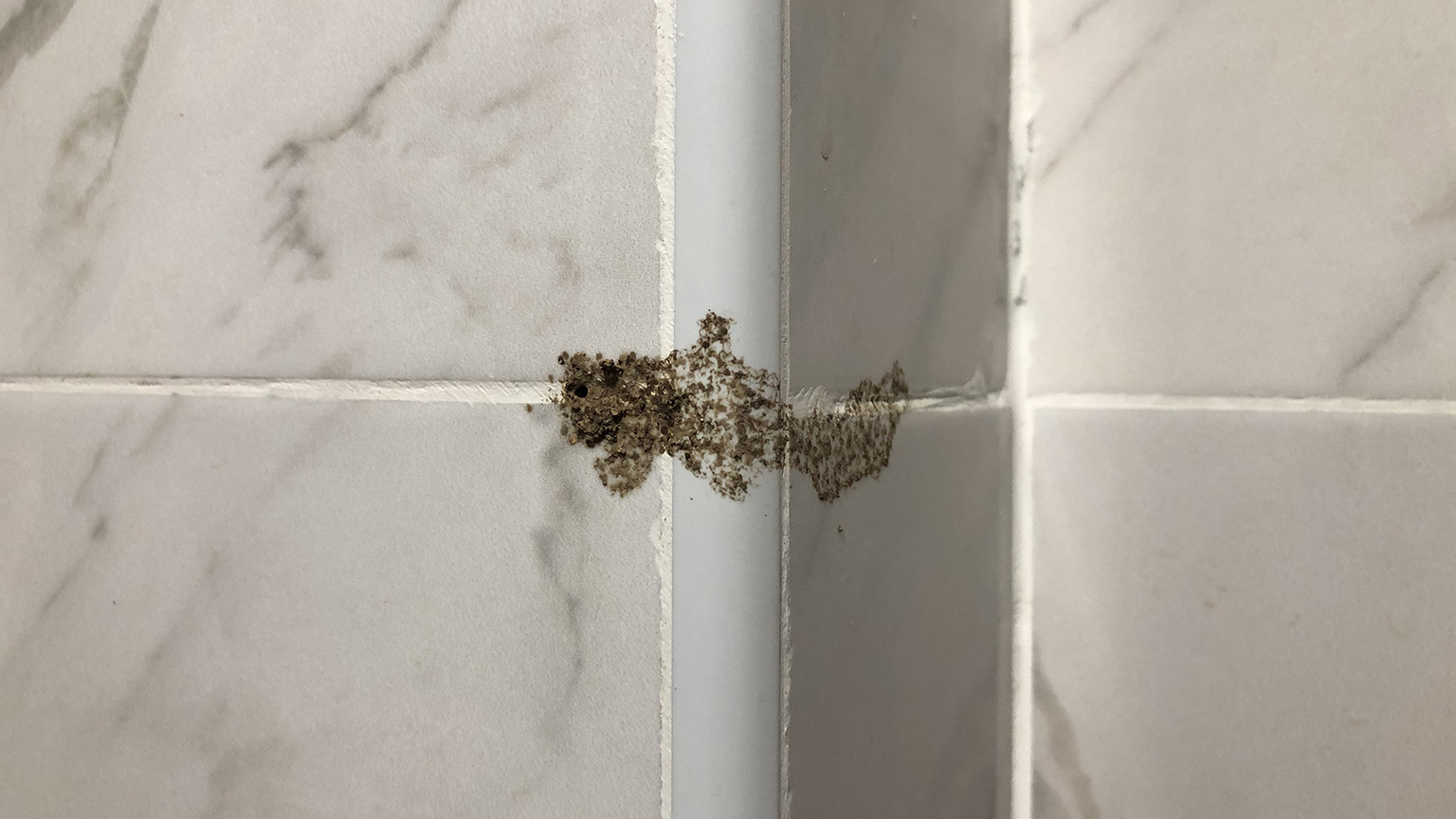
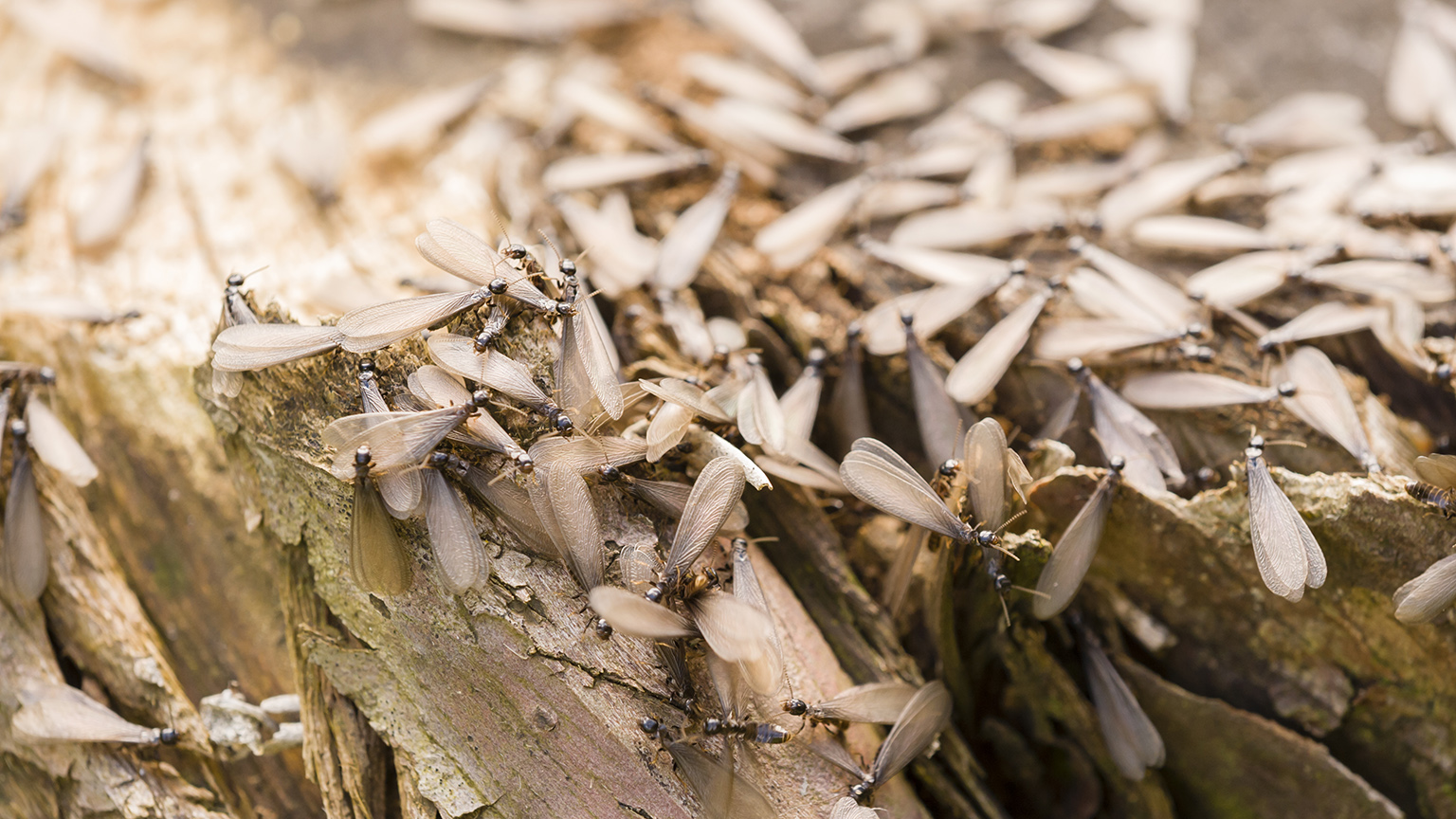
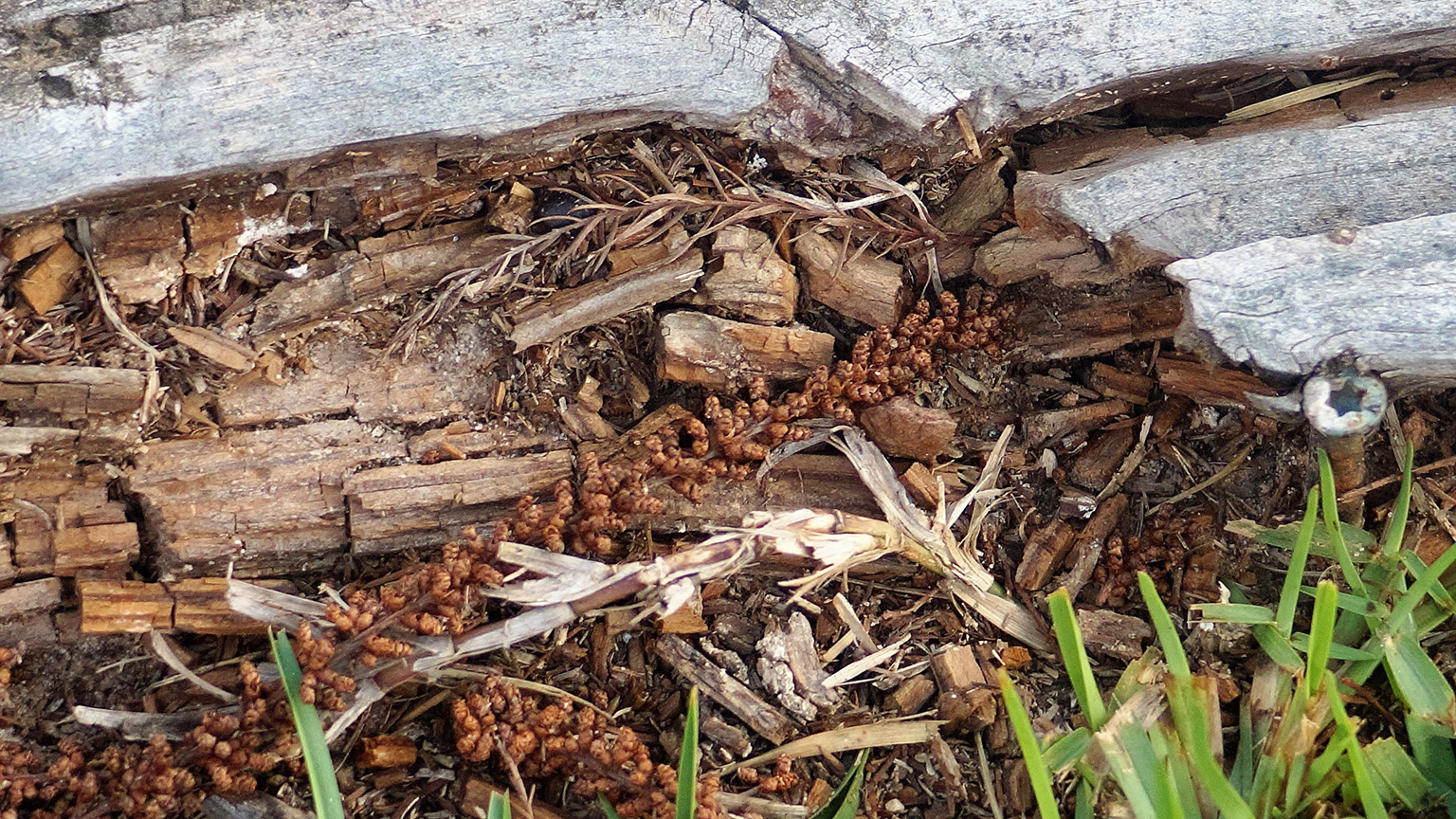
What should I do if I’ve already found termites?
Leave them alone! Seriously, leave them alone. Don’t touch them, don’t try to kill them, just let them be and call a pest professional.
You may think “They’re eating my home, why would I not try to kill them?” Good question. The answer comes down to how to effectively eliminate termites. Termites live in complex social structures and are in constant contact with one another. They love to groom one another and dispose of their dead, diseased, and unwanted colony members by eating them (why not!?).
The leading product on the market for termites is Termidor, which exploits this fact and works through transference. Each termite spreads the Termidor to any other termite that it comes in contact with. Therefore, the effectiveness of your treatment will increase with the number of active Termites that can be sprayed directly with Termidor.
Frequently Asked Questions
Can I do a termite inspection myself?
A visual check can catch obvious signs, but termites are often active in places a homeowner can’t see or access, subfloors, wall cavities, roof voids. A licensed inspector uses moisture meters and, where useful, thermal imaging to detect activity a visual check alone would miss.
What happens during a termite inspection?
A licensed technician visually inspects accessible timber, subfloor, and roof void, checks moisture levels, and provides a written report on any activity found along with clear next steps.