You get home after a warm, wet afternoon and find hundreds of winged insects around the light fittings, window sills or door frames. Piles of tiny wings sit on the floor. If that sounds familiar, you have probably met a termite swarm, and it is worth taking seriously.
Here is what flying termites are, why they appear after rain, and the steps to take when you see them.
Why do flying termites appear after rain?
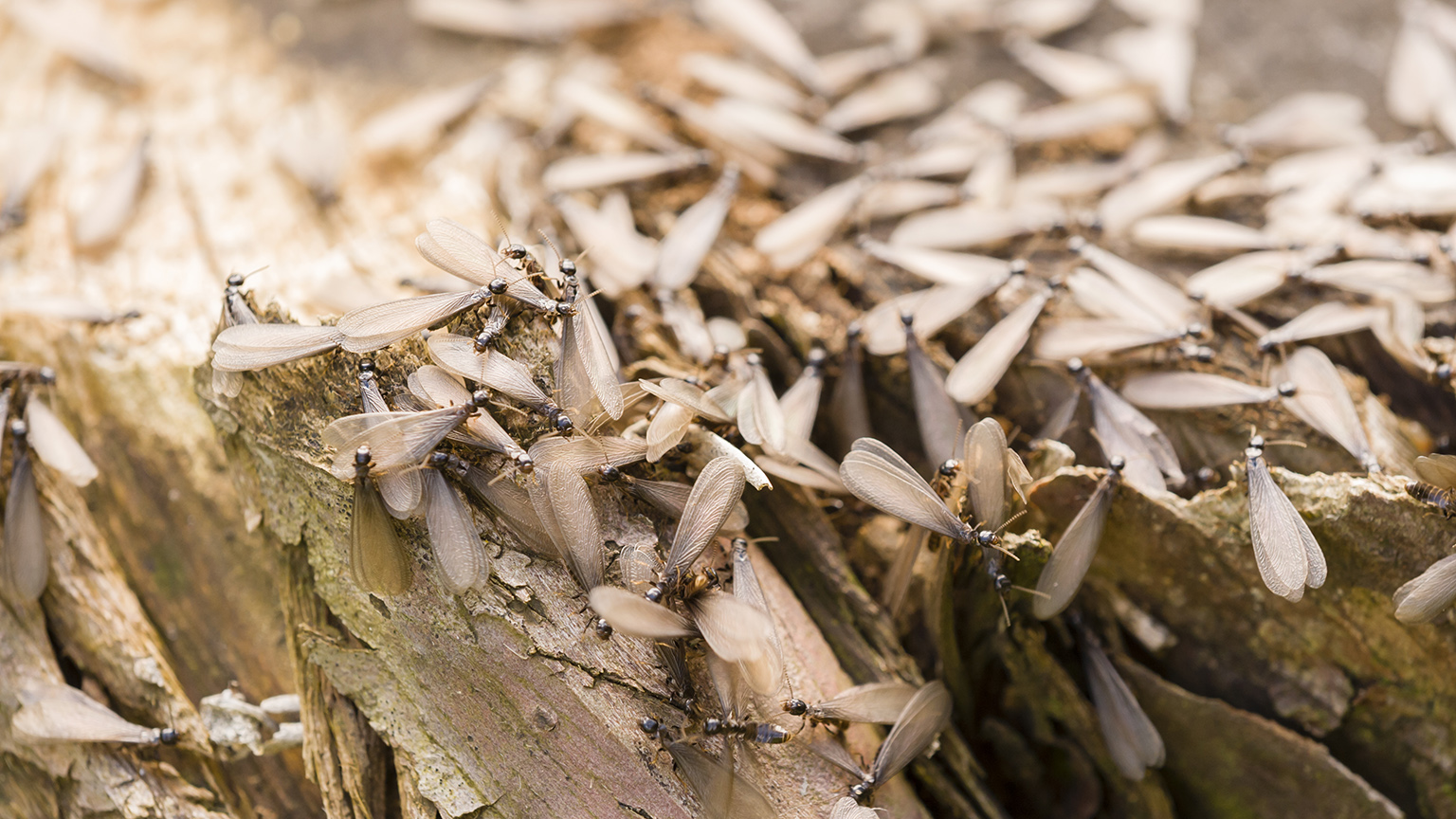
Flying termites, also called alates, are sometimes referred to as swarmers. Alates are the reproductive members of a termite colony. When a mature colony is ready to spread, the queen sends alates out to mate and extend her colony. Warm temperatures and humid air are the signal to soldiers and workers to cut holes in the heavily reinforced nest, and release alates in a process called nuptial flight. Nuptial flight often occurs after heavy rainfall, as the soil is soft allowing easy access for breeding pairs to dig deep and start creating their nest and brood. On the Sunshine Coast, swarming (or nuptial flight) is most common through spring and summer, usually on warm evenings or early morning after rain. Once released, alates are drawn to light, which is why they gather around windows, lamps and verandah lights.
Flying termites or flying ants?
Flying ants and flying termites look alike at first glance. Check these features:
Flying Termites
-
Waist: Thick, straight body with no pinched waist
-
Antennae: Straight and bead-like
-
Wings: Four wings of equal length
Flying Ants
-
Waist: Narrow, pinched waist
-
Antennae: Bent (elbowed)
-
Wings: Four wings, with the front pair longer than the back pair
If you are not sure, catch one in a clear container or take a close photo and send it to us.
Does seeing flying termites mean I have termites?
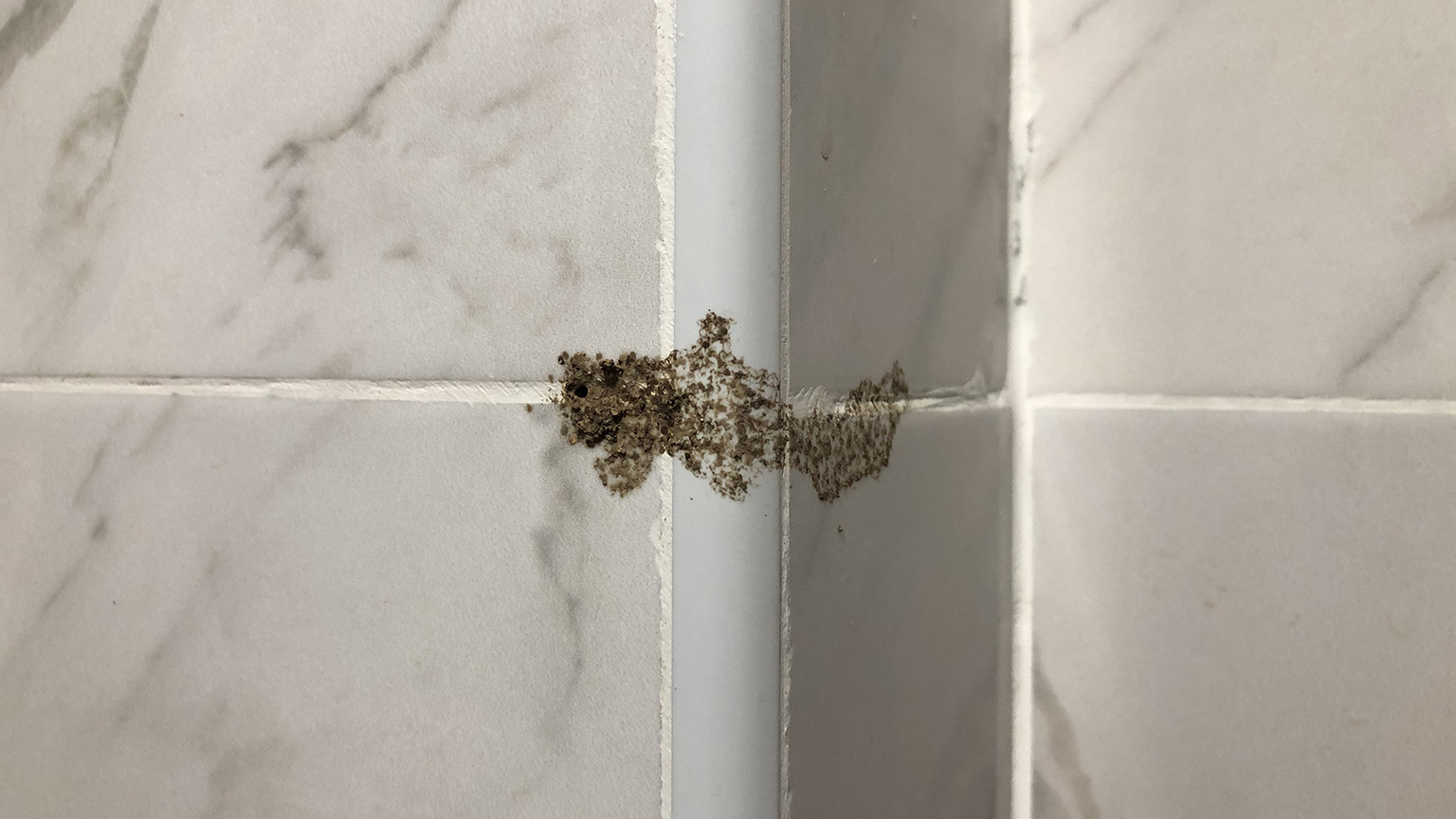
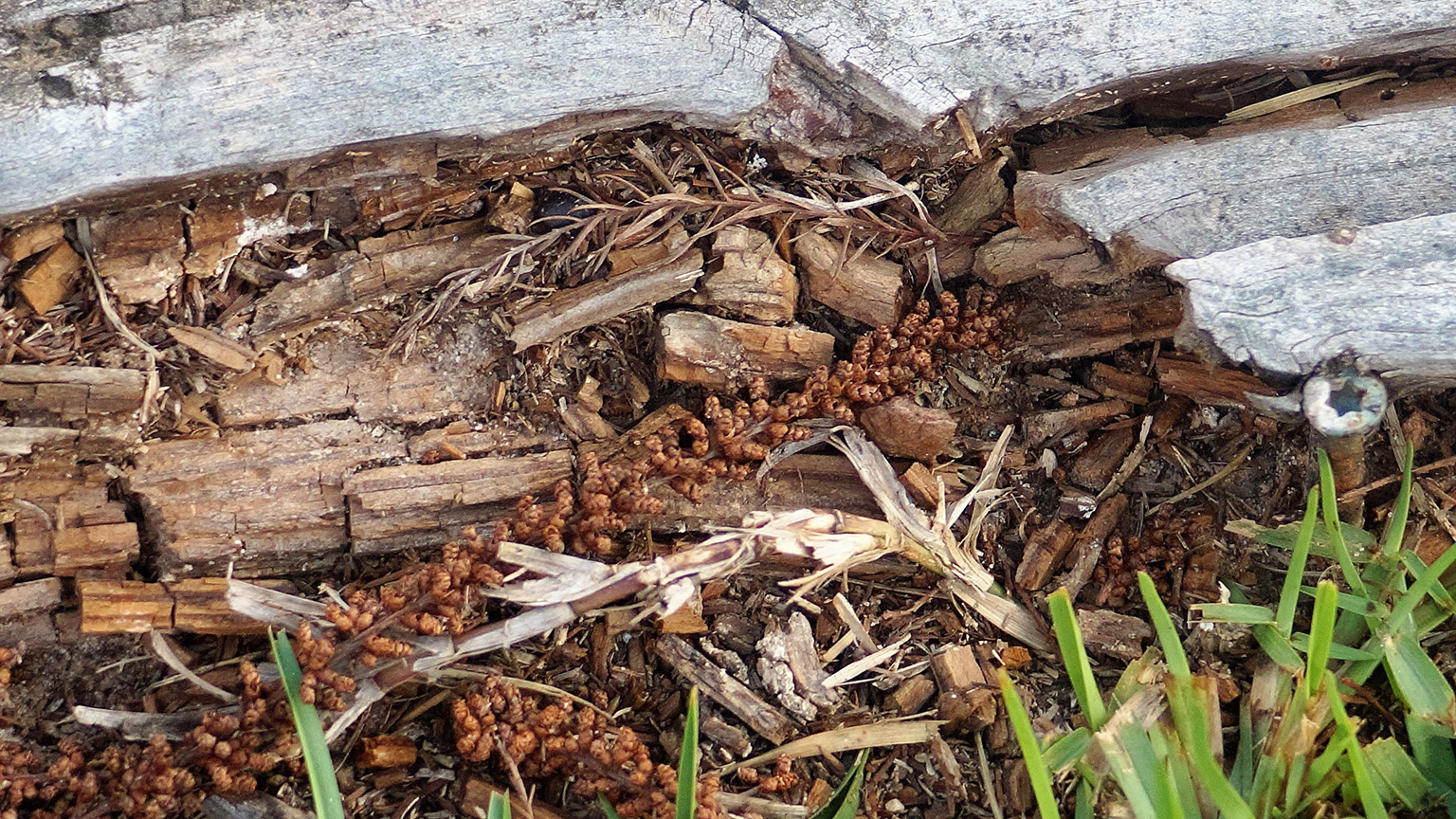
If alates swarm inside your home, you have either left a window open and internal light, or you may have an infestation in the timbers of your home. Alates emerging from a wall cavity, floor or window frame are definite signs of internal infestation. If they appear only outside, the colony may be in a tree stump, garden bed or neighbouring property, but your home is still at risk because the new breeding king and queen can land and start a new colony close by.
Many other signs can indicate subterranean termite infestation:
- Mud tubes running up foundations, walls or subfloor piers
- Timber that sounds hollow when tapped
- Bubbling or rippled walls
- Collapsed timber framing
- Heat signatures seen with thermal cameras
- High moisture levels found with moisture meters
What to do if I see signs of termite activity
- Do not spray them. Over-the-counter sprays may kill foragers you can see but do nothing to the colony. All you will do is send a signal of danger to workers who can seal off tunnel systems and find another concealed entry to the building.
- Collect a sample. Collect live species if possible, or take photos. Send them through to us to get an ID. We can only use the soldier caste to ID the species, however, we can give you a general idea if you are dealing with swarming ants or termites.
- Turn off the light. Switching off lights during a swarm can help prevent them from coming inside. Don’t worry, 99% of swarming alates will die, and they are very unlikely to nest indoors as there is limited or no moist soil inside a building – watch those pot plants.
- Do not disturb the area they came from. Do not touch or pick away at mud leads or feeding galleries. Successful treatment relies on minimal disturbance to discretely treat the foragers who can bring termiticide back to the colony and share it around through trophallaxis (sharing of food).Book a professional termite inspection. An experienced timber pest technician can locate activity, determine entry points, highlight the factors attracting subterranean termites, assess any damage and recommend the right treatment, including prevention systems. Protecting your home
Regular inspections are the best protection against termite damage. Read our guide on whether annual termite inspections are necessary, learn how to identify different types of termites, and see our termite prevention systems for long-term protection.
Bundilla Pest Control has protected Sunshine Coast homes since 1985, and we are Termidor-accredited applicators. If you have seen flying termites, book a termite inspection or call (07) 5475 4660.