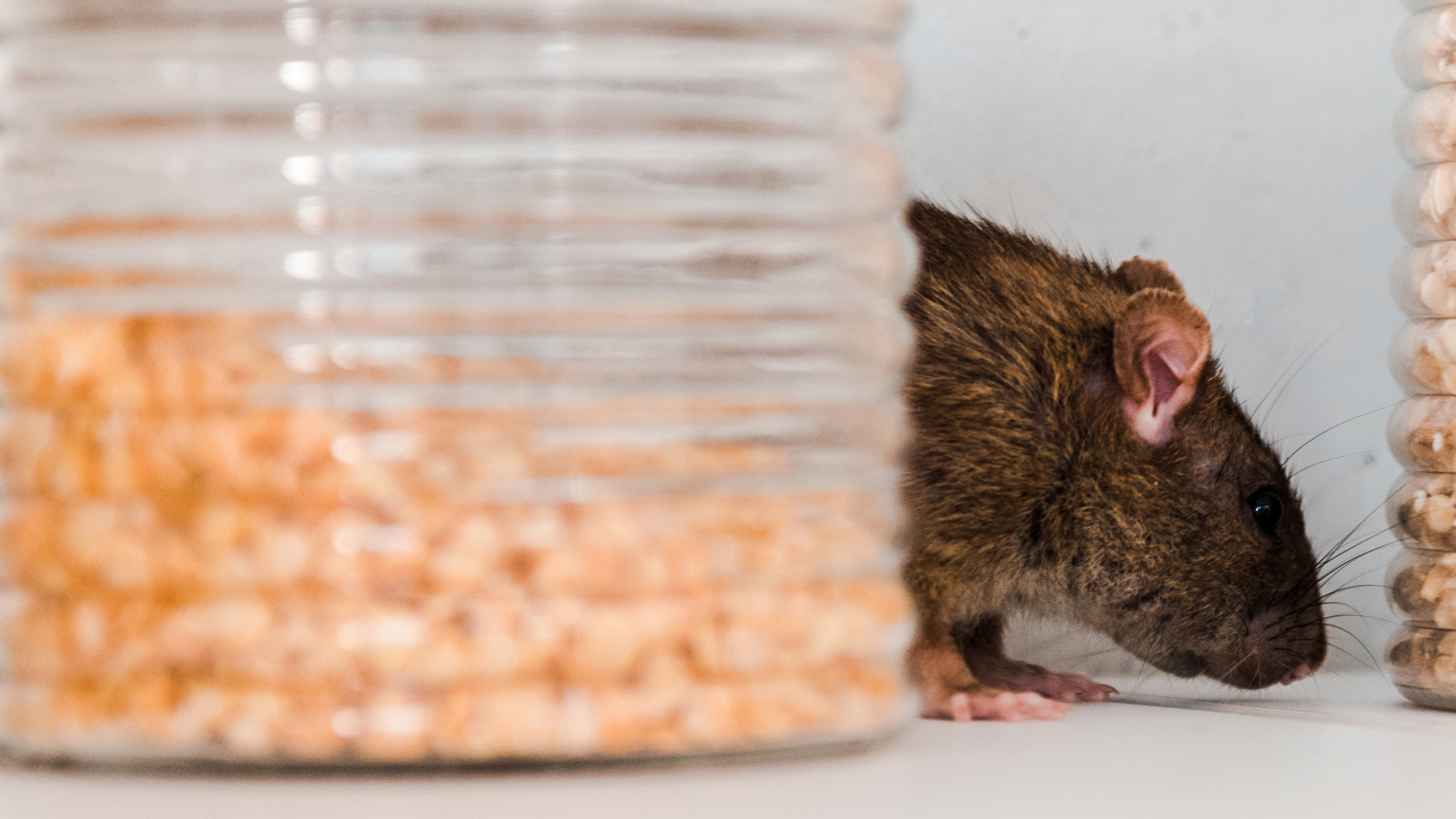
Rats and mice move indoors during winter because falling temperatures and reduced outdoor food sources push them toward the warmth, shelter, and easy food a house provides. Roof cavities, wall voids, and subfloors offer exactly the dry, insulated space rodents look for once the weather turns, which is why sightings spike on the Sunshine Coast from June through August.
Why Winter Is Peak Rodent Season on the Sunshine Coast
Outdoor food sources thin out over winter, and rodents that spent summer in gardens, drains, and bushland start looking for a warmer, more reliable spot to nest. A Sunshine Coast roof cavity, insulated, dry, and close to a kitchen, is close to ideal from a rat or mouse’s perspective.
Early Signs of a Rodent Problem
The earliest sign of a rodent problem is usually sound, not sight: scratching or scurrying in the roof cavity or wall voids, especially at night. Droppings near pantry items, gnaw marks on packaging or skirting boards, and a persistent musty smell in one area of the house are the next signs most homeowners notice.
- Scratching noises in the roof or walls, particularly overnight
- Small, dark droppings near food storage or under sinks
- Gnaw marks on food packaging, skirting boards, or electrical cabling
- A sudden, unexplained musty odour in one part of the house
Why a Chewed Cable Is More Than a Nuisance
Rodents gnaw continuously to keep their teeth at a manageable length, and household wiring is a common target — a real electrical and fire safety risk, not just property damage. This is one of the main reasons rodent activity is worth addressing quickly rather than waiting to see if it resolves on its own.
Keeping Rodents Out This Winter
Sealing obvious entry points, roofline gaps, vent covers, and gaps around pipework, combined with removing easy food access (secured bins, no exposed pet food overnight), meaningfully reduces the chance of a winter infestation. Where activity is already underway, professional rodent control is more reliable than store-bought bait alone, since it targets the full nest rather than individual rodents.